casino casoola Gaming menu structure shows a thoughtful strategy to UX design, with a focus on transparency and simplicity of navigation. By organizing titles efficiently and offering strong search options, it reduces user frustration. The adaptive layout guarantees compatibility across various platforms, appealing to a wide user base. However, the nuances of its impact on user engagement and retention uncover further insights deserving of exploring. What elements contribute most significantly to this strategic design?
The Significance of Menu Layout in Digital Casinos
When players navigate through an internet gaming site, the design of the navigation plays an important role in shaping their overall interaction. A organized navigation can simplify access to games, offers, and support, significantly enhancing player satisfaction. Thoughtful positioning of categories, such as slot games, card games, and real-time dealer choices, guarantees players locate their choices with minimal difficulty. In addition to this, user-friendly navigation reduces frustration, allowing users to explore new features and games easily. The stackoverflow.com application of visual cues and uniform styling strengthens familiarity, allowing a smooth experience. Ultimately, efficient menu design is not just about aesthetics; it’s about creating a user-focused experience that boosts interaction and retention while reducing exit rates and promoting exploration across the site.
Overview of Casoola Gaming User Interface
Casoola Casino’s user interface exemplifies the value of a well-organized design, seamlessly guiding players through an engaging gaming environment. It employs a minimalist approach, favoring clarity over unnecessary embellishments. The color palette strikes a balance between vibrancy and usability, enhancing user interaction without overwhelming the senses. Intuitive navigation elements are strategically placed, allowing users to access games and information with ease. Each section is distinctly categorized, making it simple for players to locate their preferred activities. Additionally, responsive design principles guarantee the interface adapts effectively across various devices, providing a consistent experience. Overall, Casoola Casino’s user interface reflects a commitment to user-centric design, fostering not only accessibility but also an enjoyable and immersive gaming journey.
Key Features of Casoola’s Menu Structure
While exploring Casoola Casino’s menu structure, players can immediately appreciate its user-friendly design that prioritizes efficiency and accessibility. This design incorporates several key features that enhance the overall gaming experience.
- Intuitive Categories
- Search Functionality
- Responsive Design
- Promotions Highlight
Therefore, these characteristics combine to create an organized and engaging interface that captivates users, enabling them to navigate the gaming landscape with confidence and ease.
Exploring the landscape of online casinos can often be an intimidating task, but Casoola Casino effectively streamlines the user journey through its systematic navigation flow. The site employs a distinct hierarchy that guides users effortlessly from general categories to specific game types, boosting discoverability. Intuitive labels and uncluttered design elements facilitate the decision-making process, allowing players to focus on their gaming preferences without interruption. Additionally, the strategically placed search functionality enables users to access their desired games swiftly. By minimizing cognitive load and proactively addressing potential user frustrations, Casoola Casino cultivates an environment that encourages exploration and sustained engagement. This thorough attention to navigation not only enhances user satisfaction but also bolsters the casino’s commitment to an outstanding online experience.
Accessibility Considerations in Menu Design
In assessing accessibility in menu design, it’s essential to assess features like screen reader compatibility, which ensures visually impaired users can navigate smoothly. Additionally, conformance to color contrast standards assists those with visual impairments differentiate between menu options. Finally, facilitating keyboard navigation access enables users with mobility challenges to engage smoothly with the menu.
Screen Reader Compatibility
When designing a menu for Casoola Casino, guaranteeing that it is compatible with screen readers is vital for fostering an inclusive environment for all users. Successful screen reader compatibility enables a uninterrupted interaction for individuals with visual impairments, boosting user experience. It’s vital to conform to best practices that promote accessibility and usability.
- Use structured HTML to arrange menu elements correctly.
- Provide detailed alt text for images and icons.
Color Contrast Standards
Although many users might overlook it, color contrast is a essential aspect of menu design that immediately impacts accessibility and usability. Achieving ideal contrast between text and background boosts readability, particularly for users with visual impairments. Research indicates that a minimum contrast ratio of 4.5:1 for normal text and 3:1 for large text ensures compliance with WCAG standards. For Casoola Casino, applying these standards not only conforms with legal requirements but also encourages inclusivity. Careful selection of color palettes can enhance the user experience, boosting engagement without compromising clarity. Designers must also bear in mind how colorblind users perceive different hues, making it essential to test designs under various conditions. Emphasizing color contrast is crucial to creating an accessible and user-friendly menu.
Smooth keyboard navigation is vital for making sure that all users, especially those with mobility impairments, can interact with Casoola Casino’s menu effortlessly. Implementing logical keyboard shortcuts is essential for accessibility. This design consideration not only enhances user experience but also aligns with WCAG guidelines.
Key features for successful keyboard navigation include:
- Logical Tab Order
- Visible Focus Indicators
- Support for Common Shortcuts
Casoola Casino must focus on these elements to foster an welcoming environment.
Enhancing User Engagement Through Intuitive Design
An user-friendly design is crucial for boosting user engagement, particularly in digital platforms like Casoola Casino. Users often seek smooth navigation and quick access to their preferred features. Implementing a logical flow in the menu structure allows players to easily locate games, promotions, and account settings, thereby reducing frustration. Efficient categorization of content is key; grouping related games or features not only simplifies the experience but also encourages exploration. Feedback mechanisms, such as subtle animations or notifications, can assist users and validate their actions without overwhelming them. Ultimately, the goal is to create an environment where users feel in control, leading to longer play sessions and increased satisfaction. Prioritizing user-centric design principles will significantly enhance overall engagement on the platform.
Visual Elements and Aesthetics of Casoola’s Menu
The visual elements and aesthetics of Casoola’s menu play a pivotal role in shaping the user experience. A seamless and engaging design can elevate the overall interaction, ensuring players feel at ease. The choice of color, typography, and icons creates a dynamic yet practical layout. Here are some key aspects of the menu’s design:
- Color Palette
- Typography
- Iconography
These elements unite to form an aesthetically pleasing menu that captures attention while staying user-centric.
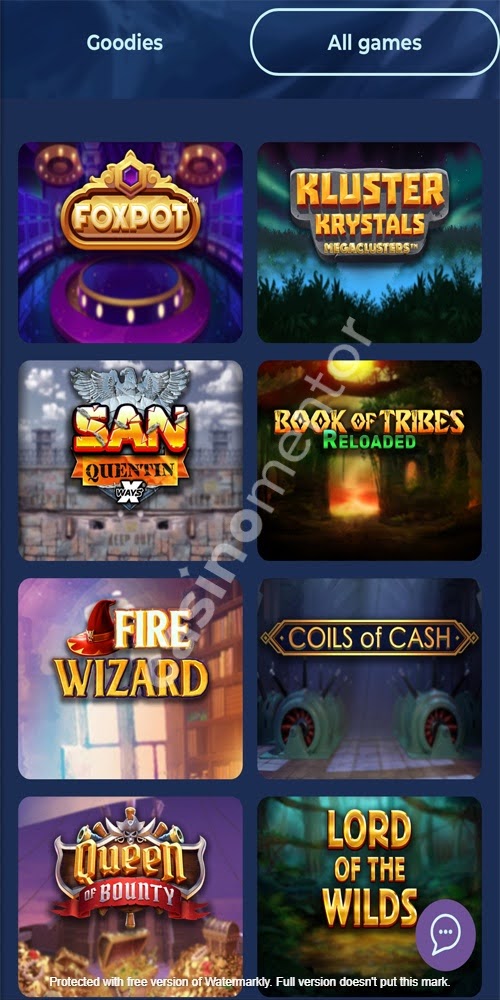
The Impact of Menu Logic on Player Retention
While captivating visuals certainly enhance a player’s experience, the underlying menu logic greatly influences retention rates. Effective menu structures facilitate navigation, ensuring players find their preferred games or features without frustration. This user-friendly design reduces cognitive load, thus enhancing player satisfaction and lengthening gameplay sessions. Additionally, personalized menu options, based on player preferences and behavior, can greatly boost user engagement. When players feel attended to, their chance of returning increases. Conversely, a chaotic menu may lead to confusion, leading players to exit the site altogether. To truly excel, Casoola Casino must focus on polished menu logic, concentrating on usability and player-centric design, in the end strengthening long-term loyalty and maximizing player retention rates.
Frequently Asked Questions
How Does Casoola Casino Ensure Menu Updates Are User-Friendly?
Casoola Casino utilizes user feedback and analytics to enhance menu updates, guaranteeing clarity and ease of navigation. Their design includes instinctive layouts and logical groupings, facilitating a seamless experience that matches user expectations and preferences.
What Technologies Support Casoola’s Menu Performance?
Casoola utilizes cutting-edge data analytics, responsive design frameworks, and A/B testing tools to optimize menu performance. These technologies facilitate real-time adjustments, ensuring menus remain user-friendly, visually appealing, and in line with user preferences for improved engagement.
Are There Mobile-Specific Menu Features at Casoola Casino?
Indeed, Casoola Casino integrates mobile-specific menu aspects, enhancing user experience through touch-optimized navigation, efficient layouts, and rapid access to favored games. These elements address mobile users’ requirements, ensuring fluid and engaging interactions.
How Does User Feedback Influence Menu Design Changes?
User feedback guides menu design changes by highlighting pain points and preferences. Designers examine this data to improve navigation and functionality, ensuring menus meet user expectations, ultimately improving overall experience and satisfaction considerably.
What Challenges Does Casoola Face in Menu Optimization?
Casoola encounters challenges in balancing user preferences, ensuring intuitive navigation, and sustaining an interactive experience. Additionally, changing user needs and competitive landscape pressures hinder their optimization efforts, necessitating continuous adaptation to boost usability and satisfaction.